
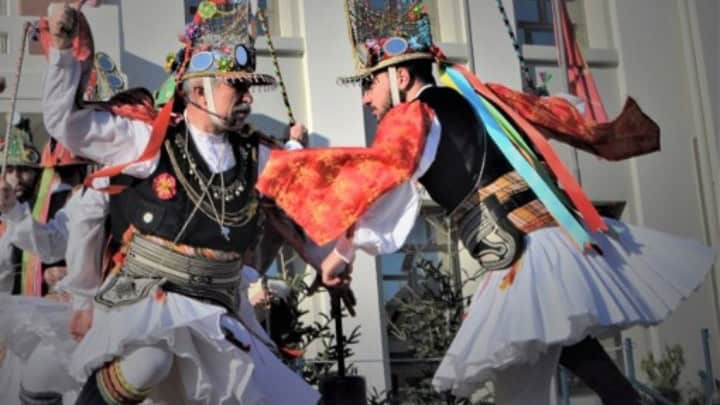
Western Macedonia Rings in New Year with Ancient Traditions

In the heart of winter, as temperatures in Western Macedonia often drop well below freezing, the region comes alive with vibrant New Year’s carnivals rooted in centuries-old traditions. During the festive season spanning Christmas, New Year, and Epiphany, locals don elaborate costumes, sing ancient carols, and celebrate late into the night, warmed by local spirits and wine.
The so-called “Boubousaria” and “Ragoutsaria” carnivals trace their origins to ancient rituals, possibly linked to Dionysian worship or even earlier pagan ceremonies. According to Professor Ioannis Pitas of Aristotle University of Thessaloniki, the original costumes may have represented winter demons, like the Kallikantzaroi, and offered participants a rare chance to express themselves freely, aided by wine and communal revelry. While the festive season culminates during Carnival (Apokries) throughout Greece, these New Year celebrations remain a lively expression of local culture and communal identity, coexisting with the Christian Church’s official calendar.
The first wave of festivities, known as the “Dodekaimero,” lasts over 12 days, from the pre-Christmas Gournokhares and Kolianta carols to Epiphany celebrations, with Kastoria closing the cycle through Ragoutsaria and the Pateritsa. Professor Pitas highlights that the season coincides with the winter solstice, a time that historically inspired awe among ancestors, who performed rites to honor the sun and welcome the new year or agricultural season. The tradition of “podariko,” or stepping into the new period with good fortune, continues in modern Greek customs.
On January 2, the Boubousaria of Eratyra in Kozani will reach their peak at 3:00 pm with a colorful parade of masked revellers, followed by an all-night celebration featuring local brass bands, dancing, and traditional food and drink. The festivities began on December 30 with the “Sourva” and continue throughout the surrounding area, inviting both spectators and participants to join in the celebration.
The carnival is accompanied by the photo exhibition “Boubousaria Reworks,” open until January 2. The exhibition features 20 archival photographs forming the project’s foundation, alongside 20 contemporary works created by high school students both individually and collaboratively. The images are drawn from the collection of Giorgos Siaperas, with the exhibition open on January 2 from 12:00 pm to 3:00 pm in the foyer of the Eratyra community centre. More information on the festivals can be found at https://icarus.csd.auth.gr/macedonia-celebrates-gr/.
Tags:
Boubousaria, Dionysian rites, Dodekaimero, Epiphany, Greece news, Greek City Times, Greek culture, Greek news, Greek traditions, New Year festivals, Ragoutsaria, Western Macedonia


0 Comments