
Key Differences and How to Use Them

Discover the difference between sake and mirin—two essential ingredients that add depth, flavor, and authenticity to Japanese cooking.
If you’ve browsed Japanese recipes, you’ve likely seen sake and mirin listed again and again. These pantry staples often work as a pair, quietly building flavor in both everyday meals and special dishes.
From Chicken Teriyaki and Chawanmushi to Sukiyaki Recipe, sake and mirin help enhance aroma, balance seasoning, and give dishes their signature Japanese taste.
So what’s the difference between them? Can you swap one for the other? And why are they so important? Let’s take a closer look.
Table of Contents
+ View More− View Less
What is Sake?
Sake (酒), pronounced SAH-keh (not “saki”), is a traditional Japanese alcoholic beverage made from fermented rice and water. Although it’s often called Japanese rice wine, sake is brewed more like beer. The rice starch is converted to sugar, then fermented into alcohol.
Types of Sake
Like wine, sake ranges from dry to sweet and light to full-bodied. While premium sake is great for sipping, inexpensive drinking sake works perfectly for cooking.
Nami’s Tip: Use drinking sake instead of cooking sake, which often contains added salt.
Benefits of Sake in Cooking
Sake isn’t just for drinking—it’s an essential kitchen condiment in Japanese cooking. I keep a bottle in my pantry at all times. Here’s why it makes such a difference:
- Removes odors – It helps neutralize strong smells from meat and fish.
- Adds moisture – Sake keeps proteins juicy and helps tenderize them as they cook.
- Adds gentle sweetness – A mild, natural sweetness balances salty seasonings.
- Enhances aroma and depth – Like wine in Western cooking, it adds fragrance and complexity.
- Boosts umami – Fermentation creates amino acids that deepen savory flavor.
When you cook with sake, the alcohol cooks off. What’s left is clean flavor, subtle sweetness, and extra depth that make everyday dishes taste better.
Sake Substitutes
- Closest matches: Dry white wine (such as Sauvignon Blanc and Pinot Grigio), dry sherry, or Chinese rice wine
- Non-alcoholic option: Water or dashi (especially for steaming or sauces)
- You can read more on our pantry page: Sake
What is Mirin?
Mirin is a sweet rice wine used mainly for cooking. It has lower alcohol and more natural sugar than sake. Alcohol content ranges from about 1–14%, and most of it cooks off.
Mirin’s gentle sweetness balances salty ingredients like soy sauce and miso. It also gives dishes a beautiful glaze.
Types of Mirin
There are four main types:
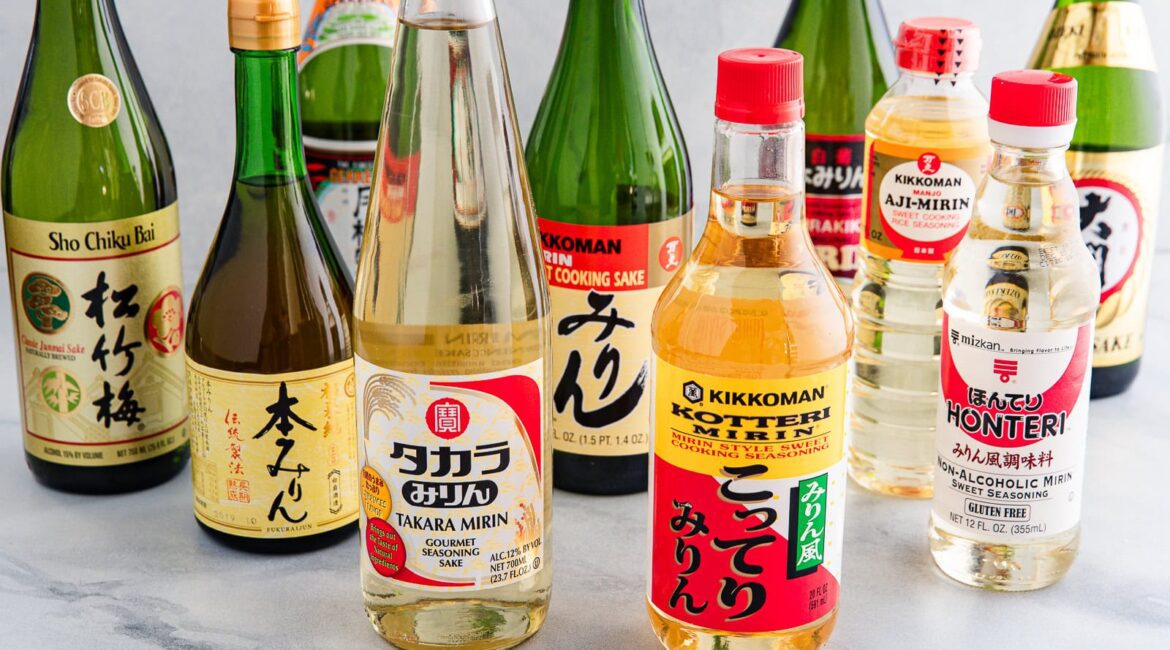
- Hon Mirin (本みりん) – Traditional and authentic (about 14% alcohol)
- Mirin (みりん) – Commonly labeled and used in Japan
- Mirin-like condiment (みりん風調味料) – Lower alcohol, added sugar, and additives
- Mirin-type condiment (みりんタイプ調味料) – A broad category with mixed contents
Nami’s Tip: Use hon mirin whenever possible. It costs more, but the flavor is deeper and more authentic.
Benefits of Mirin in Cooking
Mirin is one of those quiet heroes in Japanese cooking. I use it often, especially for simmered and glazed dishes. It adds sweetness and shine without overpowering the food.
Here’s what mirin helps to do:
- Adds gentle sweetness – It sweetens naturally, without tasting sugary.
- Reduces odors – Mirin helps mask fishy or gamey smells.
- Keeps meat tender – The sugar and alcohol help soften proteins as they cook.
- Improves flavor absorption – Seasonings soak in better during simmering.
- Creates a glossy glaze – It gives dishes like teriyaki that beautiful shine.
When heated, the alcohol cooks off, leaving behind balance, depth, and that signature glossy finish Japanese dishes are known for.
Mirin Substitutes (Including Halal Options)
- With sake: 1 tablespoon sake + 1 teaspoon sugar (3:1 ratio)
- Alcohol-free / Halal: Use the same ratio with water + sugar, or try non-alcoholic Mizkan Honteri Mirin from Japanese or Asian grocery stores
Key Differences: Sake vs. Mirin
FeatureSakeMirinAlcohol ContentHigher (about 12–15%)Lower (about 1–14%)Sugar ContentLowHigh (natural sweetness)Primary UseDrinking and cookingCooking onlyMain RoleAdds umami and aroma, tenderizesSweetens, glossy glazes, balancesWhen to AddEarly in cookingLater in cooking or untreated
Cooking Tip: If you substitute mirin for sake, reduce other sweeteners to keep flavors balanced.
Where to Buy Sake and Mirin
In the U.S., you can find both at:
Recommended Brands
FAQs
Can you replace mirin with sake and sugar?
Yes. Use the 3:1 ratio (sake to sugar). The flavor will be close, though the glaze and balance may be slightly different.
Can I substitute sake and mirin with rice vinegar?
No. Rice vinegar is acidic and sour. It has a completely different role and flavor.
Are cooking sake and drinking sake interchangeable?
Cooking sake contains salt and tastes harsher. Many inexpensive drinking sakes are better for cooking. If you use cooking sake, reduce added salt.
Can I skip sake or mirin in a recipe?
You can, but the dish will lose some depth, balance, and umami.
- Skipping sake: Less aroma and umami. Use water or dashi, but expect lighter flavor.
- Skipping mirin: Less sweetness, shine, and balance. Sugar helps, but lacks complexity.
If possible, use at least one because sake and mirin are made from fermented rice, and fermentation naturally creates umami.
How and When to Use Sake and Mirin Together
Once your pantry is stocked, try these reader favorites that use both ingredients for balance and depth:
Questions?
Sake and mirin are both rice-based seasonings, but they play different roles. Sake adds umami and aroma. Mirin brings gentle sweetness and shine.
Knowing how to use them—or substitute them properly—helps you cook Japanese food with confidence and balance.
If you have questions, feel free to leave a comment below. We’re always happy to help. 💛
Editor’s Note: This post was originally published on February 27, 2018, and it was updated on February 5, 2026, with more helpful information.


0 Comments