
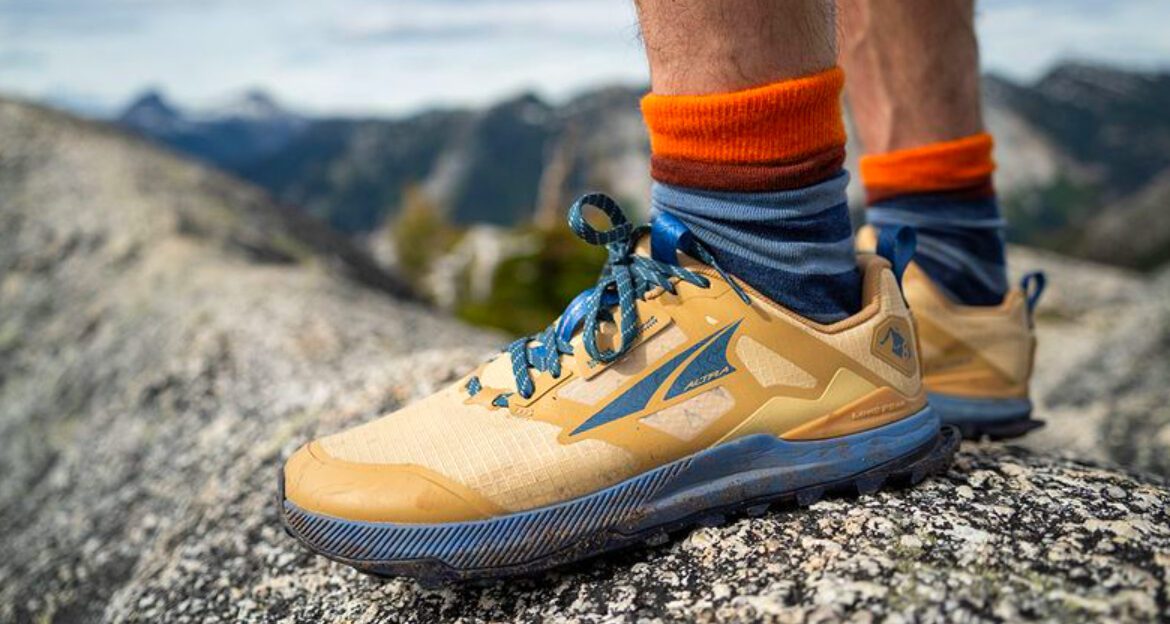
11 Hiking Shoes That Give Maximum Grip on Rocky Terrain

Rocky trails can be unpredictable, with loose stones, sharp edges, and slippery surfaces waiting to challenge every step you take. Having the right hiking shoes with superior grip can mean the difference between a confident climb and a dangerous slip. Whether you’re tackling steep mountain paths or navigating uneven boulder fields, these carefully selected shoes are designed to keep your feet planted firmly on the ground, no matter how tough the terrain gets.
1. Salomon X Ultra 5 GTX
© CleverHiker
Adventure seekers know that stability matters just as much as grip when rocks get tricky. The Salomon X Ultra 5 GTX brings both to the table with its advanced Contagrip sole technology, engineered specifically to bite into uneven surfaces. This shoe features a stability chassis that cradles your foot during lateral movements, preventing ankle rolls on unpredictable terrain.
The waterproof Gore-Tex membrane keeps your feet dry without sacrificing breathability, which matters during long mountain treks. Weight is impressively low for such a supportive shoe, reducing fatigue on extended hikes. The lacing system tightens with a quick pull, staying secure throughout your journey.
Rock scrambles become less intimidating when your footwear responds to every shift in weight. The toe box offers enough room for natural splay while maintaining protection from sharp edges. Hikers consistently praise how these shoes handle both ascents and descents with equal confidence across granite, limestone, and volcanic rock formations.
2. La Sportiva Ultra Raptor II GTX
© GearJunkie
Steep climbs demand footwear that refuses to let go, and this Italian-engineered marvel delivers exactly that. La Sportiva designed the Ultra Raptor II GTX with an aggressive Vibram Megagrip outsole that features deep, strategically placed lugs for maximum bite. The tread pattern looks almost claw-like, gripping into cracks and crevices that other shoes would slide right over.
Gore-Tex protection ensures streams and rain won’t slow you down, while the reinforced toe cap guards against stubbed toes on protruding rocks. The midsole strikes a balance between cushioning and ground feel, letting you sense what’s beneath your feet. This sensitivity helps when picking routes across technical sections where every foothold counts.
Trail runners who tackle mountainous terrain often choose these for their responsive feel and tenacious traction. The fit runs slightly narrow, which some prefer for precision placement on tiny ledges. Colors are bold and visibility-friendly for group hikes through rugged backcountry landscapes.
3. Merrell Moab 3 GTX
© Outdoor Gear Lab
Few hiking shoes have earned legendary status quite like the Moab series, and the third generation continues that tradition beautifully. Merrell equipped this version with a proven Vibram TC5+ outsole that grips wet and dry rocks with equal effectiveness. The tread design features varied lug depths that channel water away while maintaining contact with solid surfaces underneath.
Comfort arrives immediately without the typical break-in period that plagues many hiking boots. The cushioned midsole absorbs shock from rocky descents, protecting your knees and joints during long days on the trail. Gore-Tex waterproofing has been upgraded to be more breathable than previous models, reducing sweat buildup inside.
The Moab 3 GTX fits true to size with a roomy toe box that accommodates wider feet comfortably. Ankle support is moderate, making these suitable for day hikes and weekend backpacking trips alike. Durability is exceptional, with many hikers reporting hundreds of miles before needing replacement on their favorite rocky trails.
4. Oboz Bridger B-DRY
© Amazon.com
Montana-born Oboz built its reputation on creating boots that handle the Rockies with authority, and the Bridger delivers on that promise. The firm midsole provides a stable platform that doesn’t collapse under the weight of a loaded backpack, crucial for multi-day trips across boulder fields. Deep, widely-spaced lugs dig into loose rock and dirt, preventing backward slides on steep ascents.
B-DRY waterproofing technology keeps moisture out while allowing sweat vapor to escape, maintaining a comfortable foot climate. The nubuck leather upper resists abrasion from brush and rock scrapes that would tear lighter materials. Oboz includes their O FIT insole system, which supports your arch and can be swapped for custom orthotics if needed.
Break-in time is minimal compared to traditional leather boots, though some stiffness is expected initially. The mid-height cut protects ankles without restricting movement during technical scrambles. For every pair sold, Oboz plants a tree, adding an environmental benefit to your purchase decision on these trail-ready boots.
5. Keen Targhee III Waterproof
© KEEN Footwear
With a reputation for durability that borders on indestructible, the Targhee III has become a go-to choice for serious hikers. Keen engineered the outsole with 4mm multi-directional lugs that grip from every angle, essential when navigating rocky switchbacks and uneven surfaces. The iconic toe bumper extends protection beyond what most competitors offer, saving countless toes from painful impacts.
Waterproof membrane technology keeps feet dry without the premium price tag of Gore-Tex alternatives. The wider toe box accommodates natural foot spread during long hikes, reducing hotspots and blisters. Mid-foot support comes from an external stability shank that prevents excessive twisting on uneven ground.
These shoes feel substantial without being overly heavy, striking a practical balance for day hikes and light backpacking. The leather and mesh upper breathes reasonably well in warm conditions while standing up to trail abuse. Many hikers appreciate the traditional lacing system that allows precise tension adjustment. Color options range from subdued earth tones to brighter accent combinations for personal preference.
6. Hoka Speedgoat 5
© Road Trail Run
Named after ultrarunning legend Karl Meltzer, the Speedgoat 5 combines Hoka’s signature cushioning with surprisingly capable rock-gripping ability. The Vibram Megagrip outsole features widely spaced lugs that shed mud quickly while maintaining traction on exposed stone surfaces. What sets these apart is how the thick midsole absorbs punishment from rocky trails without sacrificing ground contact and stability.
Trail runners who cover technical terrain at speed appreciate the responsive feel and protective cushioning. The updated upper uses lighter materials than previous versions while improving durability in high-wear areas. Heel lockdown has been enhanced to prevent slippage during steep descents when gravity tries to push your foot forward.
Despite the substantial cushioning, these shoes don’t feel clunky or disconnected from the trail surface. The rocker geometry helps propel you forward efficiently, reducing energy expenditure on long mountain runs. Drainage ports allow water to escape quickly after stream crossings. Fast hikers who want running shoe agility with hiking boot traction find these ideal for mixed terrain adventures.
7. La Sportiva Spire GTX
© CleverHiker
Technical terrain demands technical footwear, and La Sportiva answered that call with the Spire GTX. The Vibram XS Trek sole compound was originally developed for approach shoes used by climbers, bringing exceptional friction on smooth rock surfaces. TPU reinforcements wrap the upper, protecting against sharp edges while maintaining flexibility where your foot needs to bend naturally.
Gore-Tex waterproofing is complemented by a gusseted tongue that keeps debris from entering during scrambles. The climbing zone at the toe allows precise foot placement on tiny holds, blurring the line between hiking boot and climbing shoe. Lacing extends nearly to the toe, enabling customized fit adjustment for different sock thicknesses and foot swelling.
These boots excel in alpine environments where trails disappear and route-finding across rock becomes necessary. The stiff midsole supports heavy loads during approaches to remote climbing areas or backcountry camps. Weight is moderate for the level of protection offered. Experienced mountaineers appreciate how these transition seamlessly from hiking to light scrambling without requiring a shoe change mid-route.
8. Salewa Mountain Trainer Mid
© GOHUNT Shop
Austrian alpine expertise runs deep in the design of the Mountain Trainer Mid, built for vertical adventures. Salewa partnered with Pomoca, a company known for climbing skins, to develop an outsole that grips rock with almost adhesive-like quality. The lug pattern features varied shapes and depths that engage with irregular surfaces, preventing slips during exposed traverses.
A reinforced rubber rand wraps the entire lower portion, offering protection that extends boot life significantly. The mid-height cut provides ankle support without the weight penalty of full-height mountaineering boots. Salewa’s 3F System connects the instep, heel, and ankle areas for flexible yet supportive movement across technical ground.
Climbers who need to hike long approaches before reaching their objectives often choose these for their versatility. The slightly aggressive forward lean suits uphill travel, though some find this less comfortable on flat terrain. Durability is outstanding, with many users reporting years of hard use before retirement. The European styling and precise fit appeal to those who prefer a snugger, more responsive feel than typical American hiking boots provide.
9. Altra Lone Peak 8
© Switchback Travel
Zero-drop enthusiasts have long praised the Lone Peak series for its natural foot positioning and trail capability. The eighth generation maintains that philosophy while upgrading the MaxTrac outsole with redesigned TrailClaw lugs that dig into roots and rocks with improved tenacity. The wide, foot-shaped toe box allows toes to spread naturally, enhancing balance on uneven surfaces by engaging all stabilizing muscles.
Unlike traditional hiking shoes that elevate the heel, the zero-drop platform keeps your foot level with the ground. This positioning can improve proprioception, helping you sense subtle terrain changes beneath your feet. The quick-dry mesh upper sheds water rapidly, though it lacks waterproof protection for sustained wet conditions.
Trail runners transitioning from roads to rocky technical trails often start with these because the familiar running shoe feel reduces the learning curve. The cushioning is moderate, providing protection without excessive softness that would compromise ground feel. Hikers with wider feet or those who dislike toe box compression find these exceptionally comfortable. The gaiter trap allows easy attachment of trail gaiters for debris protection during dusty or snowy conditions.
10. Topo Athletic Ultraventure 3
© Switchback Travel
Stability on rocky terrain comes not just from grip but from a solid platform beneath your foot, and Topo Athletic nailed this concept. The Ultraventure 3 features a wider base than most trail shoes, creating a stable foundation that resists ankle rolling on off-camber surfaces. The durable Vibram XS Trek Evo outsole combines sticky rubber with strategically placed lugs that handle both wet and dry rock confidently.
Topo’s signature roomy toe box allows natural toe splay without the extreme width of some competitors, appealing to those wanting space without a clown-shoe appearance. The 5mm drop offers a compromise between zero-drop minimalism and traditional heel elevation. Cushioning is generous enough for long days but firm enough to prevent feeling disconnected from the trail.
The reinforced upper withstands brush and rock abrasion better than lightweight mesh alternatives. Internal drainage ports help water escape after creek crossings or rain exposure. Hikers who cover varied terrain appreciate how these transition smoothly from rocky sections to dirt trails without feeling specialized for only one surface type. The gusseted tongue keeps pebbles out during dusty desert hikes.
11. Danner Trail 2650 GTX
© Danner
Inspired by the Pacific Crest Trail’s 2,650-mile length, Danner created a shoe that handles the diverse rocky terrain found along that legendary route. The Vibram Fuga outsole uses Megagrip compound with self-adapting lugs that maintain contact across varied surfaces from granite slabs to volcanic rock. Despite being lightweight enough for fast hiking, the construction feels reassuringly solid underfoot when scrambling across boulder fields.
Gore-Tex waterproofing protects against Northwest rain and alpine stream crossings without adding bulk. The removable OrthoLite footbed provides cushioning that can be replaced with custom orthotics for those needing additional support. Danner’s attention to quality shows in details like reinforced stitching and abrasion-resistant materials at high-wear points.
These shoes break in quickly, typically requiring only a few short hikes before feeling completely comfortable. The mid-height collar offers light ankle support while maintaining the flexibility of a low-cut trail runner. Colors range from subtle earth tones to eye-catching combinations. Thru-hikers and weekend warriors alike appreciate how these perform across the full spectrum of trail conditions encountered during long-distance adventures through mountainous regions.


0 Comments