
10 Weirdest Camera Features You Didn’t Know You Needed

Modern cameras are packed with features that sound strange at first but can totally transform your photography game. Many photographers stick to the basics and never explore the hidden tools built right into their gear. Some of these quirky functions might seem unnecessary until you try them and realize how much easier they make capturing the perfect shot.
1. In-Camera Focus Stacking
© Lincoln Harrison
Ever tried photographing a tiny bug or flower and found only part of it stayed sharp? Your lens can only focus on one distance at a time, which creates blurry areas in close-up shots. Focus stacking solves this frustration by taking several pictures at different focus points and blending them together automatically.
Your camera does all the hard work without needing computer software later. The feature captures multiple frames in quick succession, each focused slightly deeper into the scene. Then it combines them into one super-sharp image where everything looks crystal clear.
Macro photographers especially love this tool because insects and flowers have depth that single shots cannot capture. Product photographers also benefit when shooting jewelry or small items for online stores. No more choosing between a sharp foreground or background.
2. Built-In GPS & Geotagging
© Digital Camera World
Remembering where you snapped that amazing sunset photo three months ago can feel impossible. GPS geotagging embeds exact location coordinates into each image file automatically. Years later, you can pull up a map showing everywhere your camera has traveled with you.
Travel bloggers find this feature incredibly useful for creating photo maps and remembering site names. Wildlife photographers track animal locations across different seasons and habitats. Even casual vacation shooters appreciate being able to organize photos by destination instead of just date.
The camera stamps latitude and longitude data invisibly into your photos. Special software or photo apps can read this information and display your images on interactive maps. Some cameras even record altitude, which helps hikers document mountain adventures with precise elevation details.
3. Anti-Dust Sensor Cleaning
© Sony | Alpha Universe
Dust spots ruining your sky shots ranks among the most annoying photography problems. Tiny particles settle on your sensor when changing lenses, creating dark blotches in every picture. Cleaning sensors manually requires special tools and a super steady hand, plus one wrong move risks expensive damage.
Ultrasonic sensor cleaning vibrates the sensor at incredibly high speeds during startup or shutdown. These rapid vibrations shake loose dust particles before they can mess up your images. The debris falls onto a sticky strip below the sensor where it stays trapped safely away.
Most modern cameras activate this cleaning automatically each time you power on or off. You can also trigger it manually before important shoots. While not perfect for stubborn grime, it handles everyday dust remarkably well and saves countless hours of editing out spots later.
4. Multi-Exposure Mode
© Unscripted Photographers
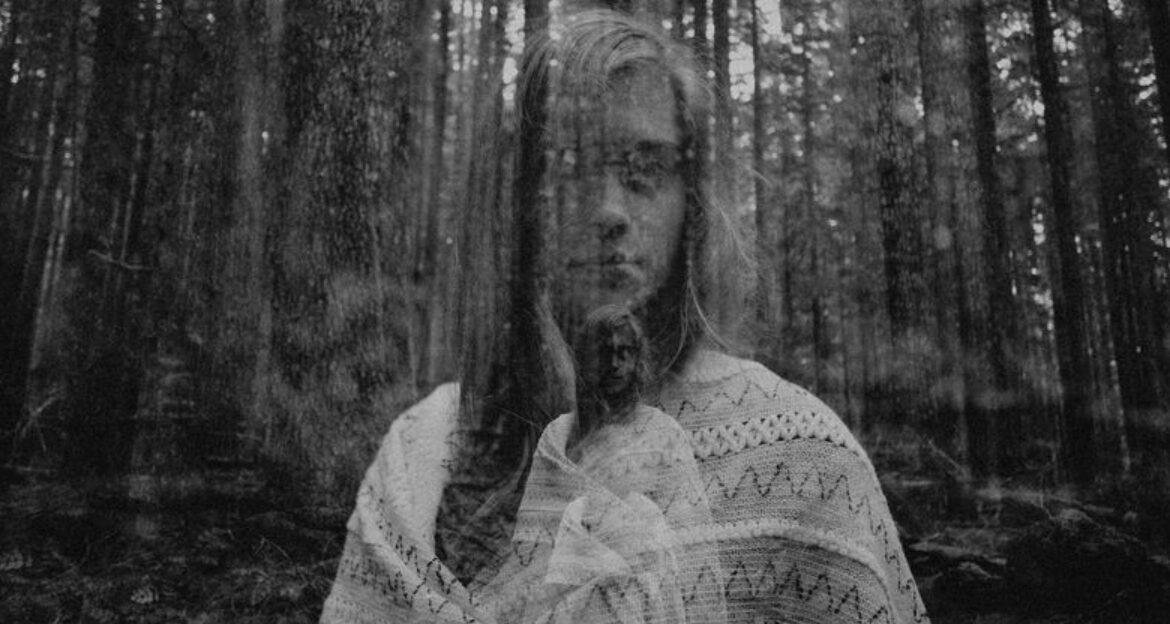
Creating dreamy, layered images used to require darkroom magic or complicated editing software. Multi-exposure mode layers two or more shots directly inside your camera, producing artistic results instantly. Photographers once spent hours in Photoshop achieving effects your camera now handles in seconds.
The feature works by combining images while controlling how they blend together. You might overlay a portrait with flowers, merge a person with a landscape, or stack moving subjects for ghost-like effects. Creative possibilities expand dramatically once you start experimenting with different combinations.
Street photographers use this for capturing motion and energy in busy scenes. Portrait artists create stunning conceptual images that tell visual stories. The best part is seeing results immediately on your screen, allowing you to adjust and retry until achieving the perfect surreal masterpiece right there on location.
5. Eye-Tracking Autofocus
© Kathy Adams Clark
Sharp eyes make or break portrait photography, yet keeping focus on moving subjects challenges even experienced photographers. Traditional autofocus might lock onto noses, ears, or shoulders instead. Eye-tracking technology uses artificial intelligence to find and follow eyes automatically, even when subjects move around.
The camera detects faces first, then zeros in specifically on the nearest eye. Some advanced systems even let you choose left or right eye priority. As your subject turns their head or walks closer, focus follows smoothly without you touching any buttons.
Pet photographers absolutely rave about animal eye detection for dogs, cats, and birds. Wedding shooters capture emotional moments without worrying about missed focus during ceremonies. The technology works surprisingly well even with glasses, side angles, or partially hidden faces, making perfectly sharp portraits almost effortless every single time.
6. Intervalometer for Time-Lapses
© DPReview
Watching clouds race across the sky or stars rotate overhead in compressed time creates magical videos. Time-lapse photography requires taking hundreds of photos at precise intervals, which sounds tedious. Built-in intervalometers automate this entire process, turning your camera into a patient robot photographer.
You simply program how often to shoot and how many frames to capture total. The camera then clicks away automatically for hours while you relax or sleep. Sunrise sequences, blooming flowers, busy streets, and night skies become easy projects without buying extra equipment.
Construction companies document building progress over months using this feature. Nature filmmakers capture seasonal changes in forests and meadows. The camera handles all timing perfectly, and afterward, you combine the images into smooth video showing hours compressed into seconds of stunning motion that reveals patterns invisible to normal viewing.
7. Silent Shooting Mode
© YouTube
Camera shutters make distinctive clicking sounds that sometimes completely ruin the moment. Imagine photographing a quiet wedding ceremony or sneaking shots of shy wildlife when each click announces your presence loudly. Traditional mechanical shutters physically move curtains that create noise impossible to eliminate.
Electronic shutters scan the sensor digitally without any moving parts whatsoever. The camera captures images in total silence, letting you shoot unnoticed in libraries, theaters, museums, or nature settings. No more anxious glances from annoyed audience members or animals bolting at shutter sounds.
Documentary photographers work invisibly in sensitive situations without disrupting natural moments. Concert shooters capture performances without disturbing artists or audiences. Street photographers become practically invisible, catching candid expressions before subjects notice the camera. Complete silence opens up shooting opportunities that noisy shutters simply cannot access.
8. Built-In Level & Horizon Correction
© Focus | Picfair’s – Picfair
Crooked horizons drive viewers crazy and make otherwise beautiful landscapes look amateurish. Our eyes naturally notice even slight tilts in water lines or skylines. Fixing tilted photos in editing means cropping away precious image area and losing resolution.
Digital levels display virtual horizon lines right in your viewfinder or screen. Green indicators confirm when your camera sits perfectly straight. Some cameras even auto-rotate images if you shoot at angles, though this works better for slight tilts than extreme ones.
Architecture photographers rely on this constantly when shooting buildings that must appear perfectly vertical. Seascape shooters ensure ocean horizons run truly level across their frames. The instant feedback helps you adjust your tripod or stance before clicking, saving enormous frustration later. Getting it right in-camera always beats trying to straighten things afterward while losing image edges.
9. Camera Wi-Fi with Remote Live View
© Amazon.com
Sometimes the best camera angle sits completely out of reach or feels super awkward. Holding your camera overhead in crowds, positioning it low to the ground, or mounting it in tight spaces makes seeing the screen impossible. Wireless connectivity transforms your phone into a remote viewfinder and controller.
You see exactly what your camera sees on your phone screen in real time. Adjust settings, change focus points, and trigger the shutter from across the room or several feet away. Wildlife photographers hide while controlling cameras near bird feeders or animal trails.
Product photographers position cameras at odd angles above tables without crouching uncomfortably. Group photo participants can include themselves by setting up the camera and shooting remotely. The wireless connection works through walls in most homes, giving you creative freedom to place your camera anywhere while maintaining complete control.
10. Long Exposure Noise Reduction
© Action Photo Tours
Long exposures create stunning night photos but introduce a grainy texture called noise. Sensors heat up during extended exposures lasting 30 seconds or longer, creating random colored speckles across dark areas. This digital grain ruins the smooth, clean look you want in star trails or light painting.
Noise reduction takes a second exposure with the shutter closed immediately after your real shot. The camera compares both images and subtracts the noise pattern automatically. Your final image comes out remarkably cleaner without manual editing work.
Astrophotographers shooting the Milky Way depend on this feature for professional results. Light painters creating designs with flashlights need clean backgrounds behind their trails. The process doubles your shooting time since each photo requires two exposures, but the dramatically improved quality makes the wait totally worthwhile for nighttime masterpieces.


0 Comments