
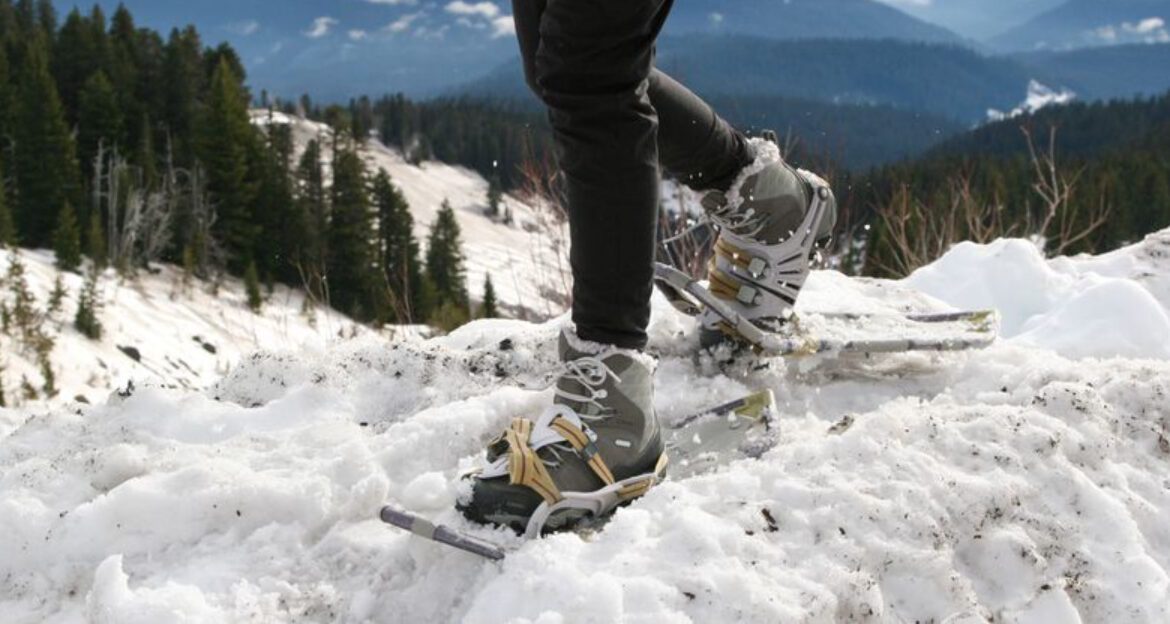
10 Most Reliable Trail Shoes for Snowy Hikes in 2025

Snowy trails can be magical, but only if your footwear keeps you warm, dry, and steady. The right pair helps you crush icy climbs, slushy switchbacks, and windblown ridgelines without stressing about cold toes or slips. This list zeroes in on proven winter performers that balance waterproofing, traction, insulation, and comfort. Scan for your style of hike and you will find something that fits your pace and your weather window.
Merrell Moab Speed 2 Thermo Mid Waterproof Hiking Boot
© Merrell
If you want nimble winter performance without heavy bulk, this light-boot nails it. A waterproof membrane and about 200 g insulation help keep feet warm when temps dip, while the mid cut supports ankles on rutted snow. The aggressive lug pattern bites into packed trails and controls slippage on crusty sections.
On alpine approaches or mixed terrain days, the ride feels lively and confidence boosting. The fit runs secure through the midfoot, so sidehills feel predictable and stable. Pair with a warm sock and you will be set for milder winter hikes or shoulder-season slop.
Traction on icy patches is solid for a lighter option, though microspikes still help on glassy climbs. Drainage and drying are quick after slush splashes, which keeps socks happier. If mobility matters and you want a winter-ready daily driver, this one delivers without slowing you down.
KEEN Revel IV Mid Polar Waterproof Boot
© KEEN Footwear
When a forecast flips between snow, slush, and ice, this boot keeps things steady. The waterproof upper blocks soak-through during long, wet miles, while warm insulation and a stout midsole stabilize every step. Underfoot, KEEN traction lugs grip well on packed snow and mixed trail debris.
The fit feels roomy in the toe box, which helps circulation and comfort on cold days. Heel hold remains secure enough for sidehilling and light scrambling. If you need a dependable winter companion that covers comfort, warmth, and security, this is a safe bet.
Transitioning from trailhead to town is easy thanks to a balanced weight and flexible ankle. You can stack miles without foot fatigue, then rinse the boot off and head in for cocoa. It is the kind of all-arounder you grab whenever conditions look messy.
Oboz Bridger 7″ Insulated Waterproof Boot
© CleverHiker
This mid-level insulated boot punches above its weight for winter hikes. Waterproofing keeps slush out, while insulation and a supportive chassis lock in warmth and stability. The outsole grips muddy and snowy tracks, letting you push pace without worrying about slip-prone corners.
Comfort stands out on long days because the platform feels planted and cushioned. Ankle coverage is just right for snow-covered roots and rocky steps. You get the benefits of a winter boot without the fatigue that comes from heavier mountaineering builds.
For forest loops and rolling ridges, you can count on surefooted traction and steady warmth. Snowshoe bindings also play nicely thanks to the firm heel and moderate flex. If you want reliable winter capability with trail-first manners, this one fits the bill.
Salomon Crosstrack Powder GTX Boot
© Backcountry
Built for cold months, this GTX boot blends waterproof protection with sharp traction for snow and ice. The chassis stabilizes uneven winter terrain so steps feel precise and connected. Even when the trail flips from powder to crust, grip remains positive and confidence stays high.
The midsole dampens chatter from frozen ruts and hidden rocks. Ankle support is firm without feeling blocky, which helps during quick transitions and sidehill traverses. You get all-season credibility with true winter focus.
When sleet punches sideways, the Gore-Tex membrane seals out the wet while breathability keeps clamminess down. Add microspikes for steep ice and you will cover early or late season routes with ease. It is a versatile pick for mixed winter conditions and fast pacing.
The North Face Chilkat V 400 Winter Boot
© GearJunkie
If you want warmth and day-long comfort on snowy paths, this boot stays cozy without feeling clunky. The waterproof construction shields from slush baths and stream crossings. Underfoot grip is dependable, so you stay upright on packed trail and choppy snow berms.
The fit is welcoming and easy to dial with thick socks. Cushioning smooths out frozen footprints, which keeps legs fresher late in the hike. You get a trustworthy partner for winter walks, long trail sessions, and snow-dusted commutes.
Durability holds up to frequent winter use, from salt-strewn sidewalks to forest tracks. If you prioritize warmth plus comfort, this model shines in the middle of the range. It is a boot you will reach for when temps drop and routes get longer.
Columbia Bugaboot III Waterproof Winter Boot
© www.amazon.sa
For budget-friendly reliability, this boot offers sturdy waterproofing and solid winter comfort. It keeps snow out and warmth in for most day hikes and moderate cold snaps. Traction is capable on packed snow and forest paths, so you can move confidently through shoulder-season storms.
The ride feels steady thanks to supportive midsoles and a practical fit. If you are exploring forest loops or rolling fire roads, the boot remains comfortable for a full afternoon. It is easy to recommend when you want dependable winter function without high-end pricing.
In deeper drifts or icy slopes, consider adding traction aids to extend its range. Otherwise, it handles typical winter errands and trail sessions with ease. For value-focused hikers, this one checks the core boxes and keeps feet happy.
Salomon Toundra Pro Winter Boots
© Backcountry
When conditions turn full-on winter, this heavier-duty boot brings serious insulation and structure. You get warmth that holds steady in deep cold and traction that digs into wind-packed trails. Stability inspires confidence when you are hauling a pack or breaking new tracks.
The upper resists soak-through during long days in snow, and the fit stays secure for sidehills. Cushioning is firm yet protective, which reduces foot fatigue when terrain gets choppy. Expect all-day performance even when temps drop well below freezing.
For icy treks and multi-hour outings, pair with traction devices and warm socks to go farther. The boot is overkill for mild days, but perfect when winter shows teeth. If you want maximum protection without going to full mountaineering, this is a prime choice.
La Sportiva Nepal Evo GTX Hiking Boot
© La Sportiva
Although best known for technical missions, this boot adapts well to winter mountain trails. The Gore-Tex lining blocks wet snow while the rigid platform powers up steep, snowy slopes. Traction is excellent on mixed rock and snow, especially when the route turns rugged.
For long alpine days, the supportive build reduces calf and foot strain. You get a secure heel and locked-in midfoot that shines on sidehills and scrambles. Pair with gaiters and you have a durable setup for demanding conditions.
It is stiffer than typical trail hikers, so comfort improves after a short break-in. When stability and durability matter most, this boot steps ahead. Consider it a crossover for winter hikers who flirt with mountaineering terrain.
Hoka Kaha 2 Frost GTX Winter Hiking Boot
© HOKA
If plush cushioning tops your list, this winterized Hoka brings comfort to cold trails. The GTX membrane shuts out slush while an insulated build warms toes on windy ridges. You get a smooth, rolling stride that keeps energy high in snowy conditions.
Traction is confident on packed snow, and the supportive platform helps when fatigue sets in. Ankle coverage and heel hold feel secure without stiff restrictiveness. That balance makes this an easy pick for long weekend hikes in the cold.
For icy grades, add traction and keep the cushioned ride going. The boot dries fast after wet sessions, which is great for back-to-back days. If your feet love soft landings, you will love this winter-ready cruiser.
Danner Arctic 600 Side-Zip Winter Boot
© Danner
With a blend of traction, insulation, and easy on-off convenience, this boot handles harsh winter routes. The side-zip design is clutch at cold trailheads where fingers hate fiddly laces. Underfoot grip bites into icy patches while the waterproof upper keeps slush from creeping in.
The ride feels supportive yet flexible enough for quick pace changes. Ankle stability inspires confidence when traversing rutted paths or frozen creek banks. It is a rugged companion that still looks sharp for post-hike coffee stops.
For colder climates, pair it with warm socks and microspikes to unlock full potential. The boot stands up to heavy use and frequent transitions from town to trail. If your hikes often mix snow and ice with variable temps, this is a trusty pick.


0 Comments