
10 Best Cameras for Capturing Nature Trails in 2026

Nature trails are full of shifting light, sudden wildlife, and scenes that reward thoughtful gear choices. If you want photos that feel alive and prints that hold up, the right camera matters more than you think. This guide breaks down the best options for 2026 so you can hike lighter, focus faster, and come home with wall worthy shots. Let’s find the kit that fits your trail style and budget.
Fujifilm GFX 100S II (Medium Format)
© Yahoo
You pick a quiet overlook and the scene looks endless. The Fujifilm GFX 100S II turns that feeling into files with room to breathe. Its 102 MP medium format sensor pulls fine detail from bark, lichen, distant ridgelines, and layered clouds without breaking a sweat.
On trails, dynamic range matters most. With this body, you can lift shaded ferns while keeping sky highlights clean, so sunrise contrast stays natural. In body stabilization and weather sealing help you work handheld when wind kicks up or footing gets uneven.
Yes, it is bigger than APS C or full frame, but the balance is surprisingly friendly for slow, deliberate hiking. Compose, slow down, and let the color profile sing with greens and warm earth tones. If you print large or crop often, this camera gives you creative headroom without compromise.
Leica Q3 43 (Full Frame Fixed Lens)
© Digital Camera World
You want simplicity that never gets between you and the trail. The Leica Q3 43 pairs a 60 MP full frame sensor with a stabilized 43 mm fixed lens, so decisions get easier. No lens swaps, just clean framing and crisp detail that makes leaves, bark, and distant peaks pop.
The lens is sharp corner to corner, and the stabilization steadies steps on roots and rock. Color comes out balanced and believable, so you spend less time editing and more time walking. Weather protection and a sturdy body mean drizzle or dust feels manageable.
Framing at 43 mm teaches restraint and strong composition. Step forward, step back, and watch how the trail lines guide your storytelling. If you crave premium build, tactile controls, and files that handle big prints, this camera keeps your pack light and your mind on the landscape.
Sony α7 V (Full Frame Mirrorless)
© Imaging Resource
Trails change quickly, and the Sony Alpha 7 V keeps up. Its AI driven autofocus tracks birds weaving through branches and hikers crossing ridgelines without hesitation. Stabilization helps deliver sharp handheld shots while you breathe hard on steep climbs.
Image quality brings confident dynamic range for forest shade and bright sky. Rolling shutter control and fast burst rates keep sequences usable when wildlife surprises you. The menus are deep, but once set, custom buttons make reactions fast and reliable.
Video matters for many outdoor storytellers, and this body handles hybrid work smoothly. Expect clean 4K, dependable focus, and colors that grade well. If you want a modern, versatile tool that weighs reasonably and nails focus on unpredictable subjects, this is a smart trail companion.
Nikon Z6 III (Full Frame Mirrorless)
© Backcountry Journeys
When dawn fog hugs the trail, the Nikon Z6 III gives you reliable focus and pleasing tonality. Its 24.5 MP sensor balances file size with detail, perfect for long days and big card loads. The deep learning subject detection sticks to animals and hikers through brush and shifting light.
Color rendering leans natural, so greens feel true and skin tones look clean for trail companions. Weather sealing and a solid grip make it comfortable with gloves or cold fingers. The camera’s 6K video and strong IBIS help if you shoot short films about routes and seasons.
Menus feel approachable, and the EVF is bright in tricky dawn contrast. Lenses in the Z system cover lightweight primes and rugged zooms, so your kit adapts to terrain. If you want dependable performance without excess bulk, this body hits the trail sweet spot.
Canon EOS R5 Mark II (Full Frame Mirrorless)
© Amateur Photographer
Some trails deserve every pixel you can gather. The Canon EOS R5 Mark II brings roughly 45 MP resolution, deep learning autofocus, and excellent stabilization for crisp landscapes and lively wildlife. It balances speed, detail, and video features without dragging you down.
Focus locks on birds and hikers fast, and tracking stays sticky through branches. Weather sealing handles dust and sudden showers, while the body ergonomics feel great during long days. Colors come out familiar and rich, so you can trust JPEGs or push RAWs hard.
Video upgrades make hybrid stories easy when the scene begs for motion and sound. With RF lenses, you can go light with a prime or versatile with a stabilized zoom. If you want an all rounder that excels at both big vistas and quick encounters, this camera delivers consistently.
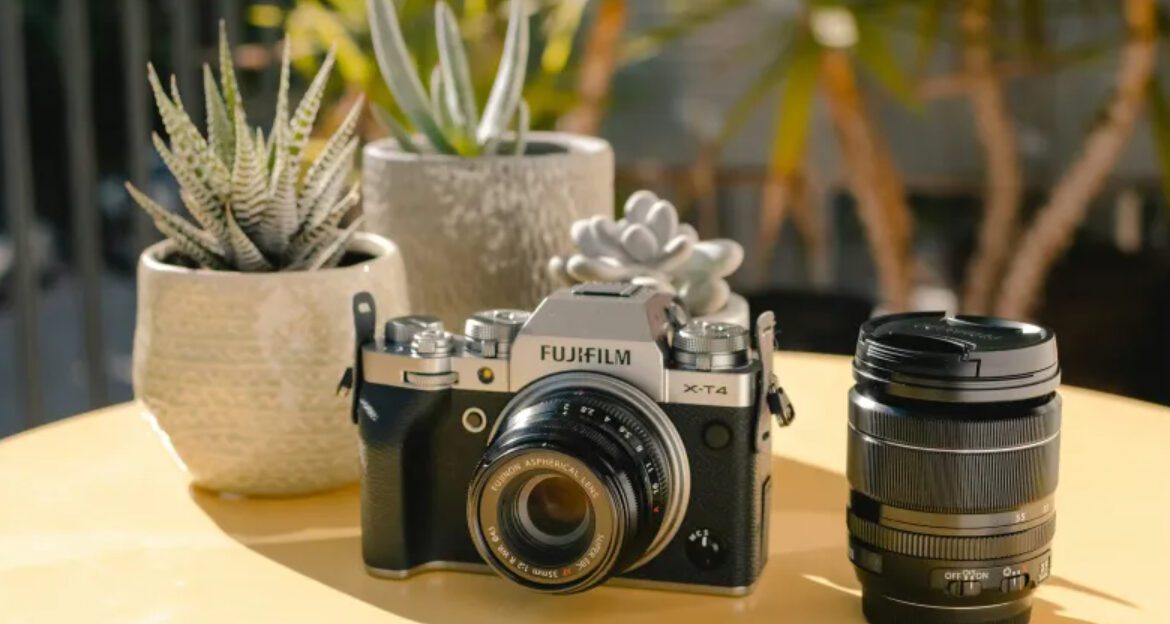
Fujifilm X-T5 (APS-C Mirrorless)
© Kelsey Smith Photography
Long hikes reward light gear, and the Fujifilm X T5 keeps the pack friendly without losing detail. Its 40 MP APS C sensor surprises with crisp textures in bark, granite, and distant trees. Classic dials make exposure changes intuitive when light slips behind clouds.
Fujifilm color is a favorite for trails, with film simulations that flatter greens and warm earth tones. Stabilization helps at slower shutter speeds when you pause to breathe and brace. Weather resistance with the right lens keeps drizzle from ruining plans.
Autofocus is quick enough for birds and trail runners, and the body feels balanced with small primes. Files print beautifully up to large sizes if technique is solid. If you value portability and pleasing color right out of camera, this is a joy to hike with.
Nikon Z50 II (APS-C Mirrorless)
© Best Buy
If you are moving from a phone to real glass, the Nikon Z50 II is an inviting step. Its 20.9 MP APS C sensor delivers clean detail and manageable files for long trips. The compact body and lenses make it easy to keep the camera ready while you walk.
Autofocus feels confident for hikers, pets, and occasional wildlife. Colors look natural, and low light performance holds up for shaded forests and blue hour. With simple controls, you can focus on composition instead of digging into menus.
Weather resistance is modest, so add a rain cover when storms threaten. Still, the value and portability shine for trail days when weight matters. If you want a capable, budget friendly kit that encourages more time outside, this camera fits perfectly into your routine.
Sony A6700 (APS-C Mirrorless)
© We3Travel
Fast subjects do not wait, and the Sony A6700 keeps pace. Its autofocus tracking is excellent for birds, squirrels, and hikers moving through dappled light. The APS C sensor gives strong detail while keeping your kit small for steep, technical routes.
Ergonomics are improved, and the menu is more approachable than older models. Stabilization and good high ISO help when the canopy dims your trail. Video features are robust, so you can capture clips without hauling a separate rig.
Pair it with a compact prime for landscapes and a lightweight tele for wildlife. Colors grade well, and burst rates feel responsive for fleeting moments. If you want speed, portability, and a feature set that empowers creativity, this camera is a reliable trail teammate.
Canon EOS R8 (Full Frame Mirrorless)
© Pocket-lint
You want full frame look without heavy weight, and the Canon EOS R8 hits that balance. Image quality is excellent, with pleasing depth and dynamic range for coastlines, forests, and alpine light. Autofocus finds eyes and subjects quickly, even when you are catching your breath.
The body is light, so carry it all day without sore shoulders. Pair with a compact prime and you will forget it is there until the scene opens up. Colors are classic Canon, easy to tune or enjoy straight out of camera.
There is no IBIS, so choose stabilized lenses or learn a steady stance on uneven ground. Battery spares help for long routes, but the payoff is speed and portability. For hikers who want affordable full frame performance, this camera makes trail photography more accessible.
OM System OM-1 Mark II (Micro Four Thirds)
© Henry’s
Storms roll in, but the OM System OM 1 Mark II keeps shooting. Its class leading stabilization lets you handhold at slow shutter speeds when light drops under the canopy. Subject detection finds birds quickly, and Micro Four Thirds lenses stay small for long days.
Weather sealing is excellent, so puddles and mist are less stressful. The files are clean with careful exposure, and the colors render well for greens and muted tones. High burst rates and deep buffers make it easy to catch wingbeats and quick gestures.
Reach matters on trails, and telephoto options stay lightweight here. That means more time hiking and less time fighting heavy glass. If you value rugged reliability, wildlife savvy autofocus, and a compact system, this camera feels purpose built for nature trails.


0 Comments