
Archaeological Sites in Greece Emerge as Wildlife Sanctuaries

Ancient temple of Apollo, Delphi, Greece. Credit Berthold Werner, CC BY-SA 3.0, via Wikimedia Commons.
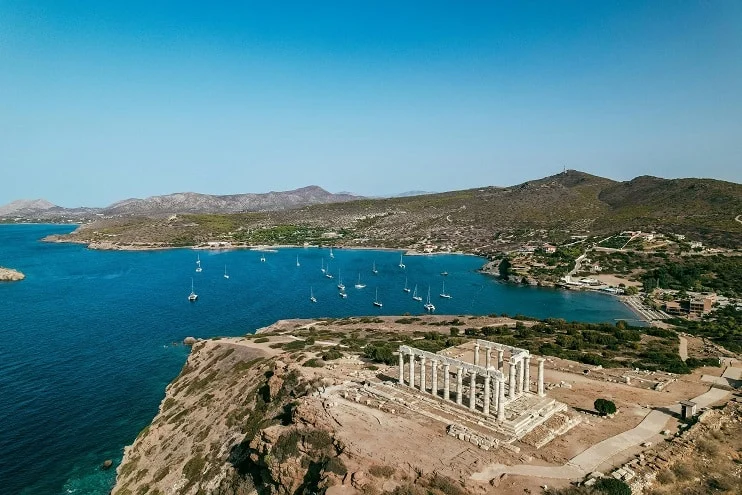
Ancient archaeological sites across Greece are quietly becoming vital sanctuaries for wildlife, according to new research that highlights how cultural heritage protection can also safeguard biodiversity. Shielded from development for centuries, these historic places now support plants and animals increasingly pushed out of the modern landscape.
Greek archaeological sites have long been protected to preserve antiquities. Strict heritage laws limit construction, farming, and other land-altering activity. As cities expanded and natural habitats shrank, these protected areas remained largely unchanged.
Researchers say this stability has allowed wildlife to persist in environments otherwise heavily altered by human activity.
Mapping biodiversity inside historic landscapes
In 2022, the Greek government launched the Biodiversity in Archaeological Sites research project to examine how nature and history intersect. Over two years, 49 specialists surveyed 20 archaeological sites spanning multiple periods of Greek history.
The results were striking. Researchers documented 4,403 species across the sites, representing about 11% of Greece’s known biodiversity. All of this life was concentrated in just 0.08% of the country’s total land area.
Wildlife thrives within ancient boundaries
Panayiotis Pafilis, a professor of animal diversity at the National and Kapodistrian University of Athens, led the study. He says archaeological sites function as complete landscapes, not isolated ruins. Centuries of limited disturbance have created stable environments that support dense animal populations.
At Mystras, a fortified Byzantine city in the Peloponnese, researchers recorded six of the seven lizard species native to the region. The number was higher than in the surrounding zone, one kilometer outside the site. The findings suggest that ancient settlements can offer better habitat conditions than nearby modern land.
Managing plants in sensitive settings
Plants face different challenges. Vegetation around ruins is often trimmed to protect structures and improve visibility. Theophanis Constantinidis, a botanist involved in the study, says management practices can limit plant growth. Even so, he says the diversity of species found highlights the ecological value of these sites.
Greece’s ancient archaeological sites are becoming unexpected biodiversity sanctuaries. New research shows they shelter rare plants and animals as habitats vanish elsewhere.#Greece #archaeology pic.twitter.com/EdD0IOUu32
— Tom Marvolo Riddle (@tom_riddle2025) January 8, 2026
Constantinidis says small changes could have large benefits. Selective cutting and reduced use of herbicides would allow native plants to thrive without damaging ancient remains.
Traces of ancient movement in modern ecosystems
The research also revealed how human history shaped present-day ecosystems. At Nicopolis, a Roman-era city in western Greece, Constantinidis identified a grass species that may have arrived from central Asia or Anatolia through ancient trade or migration. Further analysis is underway.
At Dodona, an ancient sanctuary linked to Greek mythology, researchers documented many centuries-old oak trees. Constantinidis says their presence suggests long ecological continuity, supporting accounts that associate the site with sacred oaks dating back to antiquity.
Cultural policy meets conservation goals
Greek culture minister Lina Mendoni says the findings reshape how archaeological sites should be viewed. Her ministry proposed and supported the project alongside environmental agencies. She describes the sites as cultural landscapes where history and nature are deeply connected.
Mendoni says long-protected ruins are now acting as refuges for biodiversity. Through careful management, she says, they can help protect species at a time of accelerating global biodiversity loss.
A model with global relevance
Similar patterns have been documented elsewhere in the Mediterranean. In Italy, researchers surveyed 69 archaeological sites and recorded more than 3,300 plant taxa, including at least 500 species considered at risk.
Scientists say Greece’s findings offer a model for conservation. As the world works toward protecting 30% of ecosystems by 2030, archaeological sites may play a growing role. By preserving the past, researchers say, Greece has unintentionally created sanctuaries for life in the present.


0 Comments