
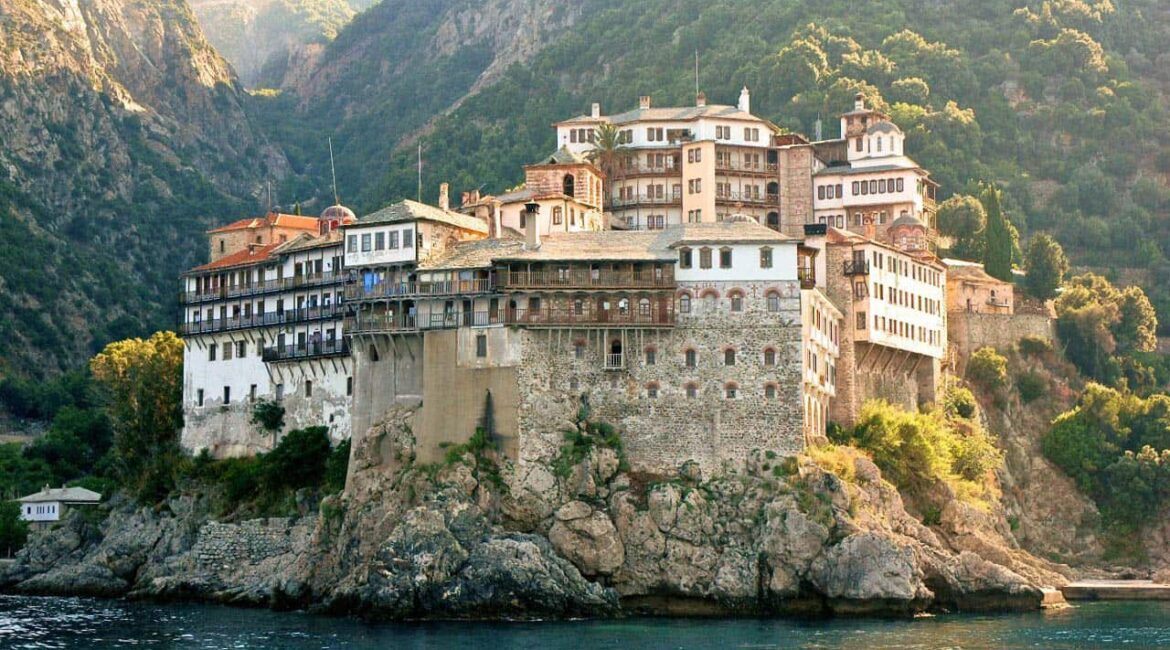
A Journey of Faith, Culture, and Spiritual Reflection

For centuries, religious tourism has been a vital part of global travel. Every year, millions of people of all faiths undertake pilgrimages to sacred destinations.
These deeply personal and often transformative journeys offer spiritual comfort and a more intimate connection with one’s faith. Greece, a country with an ancient historical and religious heritage and a stronghold of Orthodox Christianity, is rapidly emerging as a major centre for religious tourism. This growing interest raises an important question: why is religious tourism expanding so quickly worldwide?
A Historical Tradition of Religious Pilgrimages
The roots of religious tourism date back to antiquity, long before modern tourism existed. Ancient civilisations such as the Greeks, Romans, and Egyptians established sacred sites and made pilgrimages to places like the Oracle of Delphi, the Temple of Asclepius, and the Temple of Jupiter. These early journeys laid the groundwork for what we now know as religious tourism.
In the Middle Ages and Renaissance, with the rise of monotheistic religions such as Christianity and Islam, pilgrimage became more structured and widespread. Devotees travelled—often enduring great hardship—to holy cities including the Vatican, Jerusalem, and Mecca. This ancient tradition has evolved into today’s multi-billion-dollar religious tourism industry.
Modern Religious Tourism: A Growing Global Trend
According to the United Nations World Tourism Organization (UNWTO), approximately 300–330 million people visit major religious sites worldwide each year, and the sector continues to grow. Iconic destinations such as Vatican City, Mecca, and Varanasi in India attract millions of pilgrims annually, significantly boosting global tourism.
In Greece, religious tourism is also on the rise, drawing both domestic and international visitors. One striking example is the Monastery of Stomio in Konitsa, a male Greek Orthodox monastery dedicated to the Nativity of the Virgin Mary. Reachable only after a two-hour hike through the rugged mountains of Epirus, the monastery has seen a notable increase in visitors seeking spiritual renewal amid nature.
What is Driving the Surge in Religious Tourism in Greece?
Several factors explain the recent boom, both globally and in Greece. In times of uncertainty—economic crises, pandemics, or geopolitical tensions—many people turn to sacred journeys for spiritual solace and meaning. Today, the search for authentic, faith-based experiences is intertwined with broader social and cultural motivations.
In Greece specifically, improved infrastructure, targeted tourism campaigns, and the influence of social media have all contributed significantly. A clear example is the sharp rise in visitors to the Monastery of Saint Paisios in Souroti (Thessaloniki) after a popular television series about the 20th-century saint aired, demonstrating how media and cultural promotion can spotlight lesser-known sacred sites.
Sacred Sites Across Greece: A Blend of Faith, Culture, and History
Greece is home to some of the world’s most important Christian pilgrimage destinations. While Mount Athos remains an exclusive male-only monastic republic, other remarkable sites are open to all: the breathtaking Meteora monasteries, Hosios Loukas in Boeotia, Panagia Soumela in Veria, the island of Patmos (where the Book of Revelation was written), and the pilgrimage islands of Tinos, Paros, and Corfu.
These monasteries and sacred places serve not only as centres of prayer and reflection but also as extraordinary cultural treasures, attracting travellers interested in history, Byzantine art, and architecture. Visitors are increasingly drawn to the unique fusion of deep spirituality and rich cultural heritage these sites offer.
Changing Demographics: A Broader Audience
Historically, religious tourism in Greece primarily attracted older women aged 50–75. In recent years, however, the profile of pilgrims has diversified dramatically. Younger travellers, families, and solo adventurers are now joining the flow, blending spiritual quests with cultural, historical, and experiential travel.
This shift has prompted travel agencies to design more varied itineraries that cater to different ages and interests, combining sacred visits with museum tours, local festivals, and outdoor activities.
Pilgrimage Tourism Today: Faith Meets Culture and Experience
Modern pilgrims seek more than purely devotional experiences; they want to immerse themselves in the culture, history, and traditions of the places they visit. A pilgrimage to Meteora or Mount Athos region, for example, might include guided historical tours, monastic workshops, or culinary experiences that enrich the spiritual journey.
Greek travel providers have responded by offering tailored packages: comfortable, slow-paced tours with accessible transport for older visitors, and more active, nature-oriented itineraries for younger travellers.
The Future of Religious Tourism in Greece
Thanks to Greece’s immense wealth of sacred sites, profound Orthodox spiritual tradition, stunning natural beauty, warm hospitality, and centuries-old pilgrimage heritage, the country’s religious tourism sector is poised for strong and sustained growth.
This growth will bring multiple benefits:
- Extension of the tourism season beyond summer peaks
- Economic development in less-visited and underdeveloped regions
- Preservation and promotion of local traditions, crafts, and religious heritage
- Strengthened global positioning of Greece as a premier destination for meaningful, faith-inspired, and culturally rich travel
- Enhanced intercultural dialogue and understanding
Religious tourism in Greece is therefore not only spiritually significant but also holds considerable economic and socio-cultural potential, both for the country itself and for the global tourism market, where authentic historical and cultural experiences are increasingly in demand
Tags:
Christian pilgrimage sites, faith and culture Greece, Greece religious tourism, Greek, Greek Orthodox monasteries, Hosios Loukas, Meteora monasteries, Monastery of Saint Paisios, Mount Athos, Orthodox pilgrimage Greece, Panagia Soumela, Patmos pilgrimage, religious heritage Greece, sacred sites Greece, spiritual travel Greece, Tinos island pilgrimage


0 Comments