
How Shared Meals Keep Older Folks Alive… Connected… And Resilient

One Of The Most Overlooked Survival Skills?
Sharing meals isn’t just about filling a plate; for older folks, it’s often the difference between fading into the background and actually living those later years with color, purpose, warmth, and human contact. And when you sprinkle in an off-grid, homesteading, or preparedness mindset, those simple shared meals stop looking like “nice add-ons” and start looking like pillars of community survival.
Because truth be told, while everyone worries about storms, power outages, and supply chains snapping… the real collapse often begins at a lonely kitchen table.
The Silent Crisis at the Kitchen Table
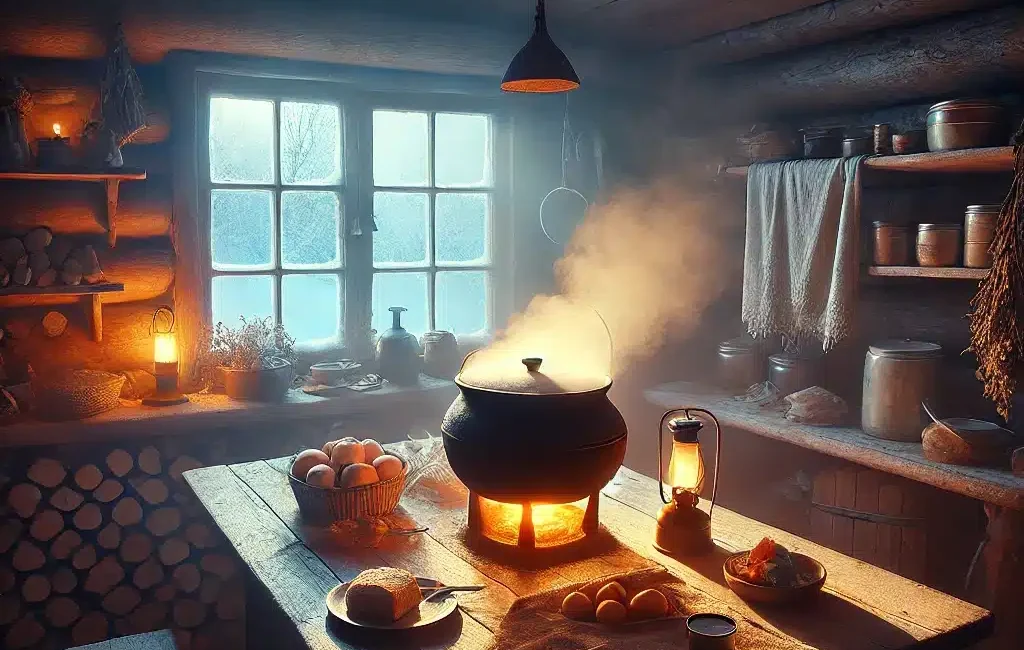
Supper’s on, snow’s falling. In this quiet cabin, warmth isn’t just from the fire—it’s in the stew, the bread, the shelves full of what we’ve put by. A place that remembers how to live simply, and well.
All across the developed world, more and more seniors eat alone at cold, dim tables while a TV whispers noise into the room like a ghost trying to sound alive. Over time, that stillness creeps in, hollowing out appetite, mood, energy, and even the will to cook a real meal. Loneliness and isolation in older adults are now tied to higher rates of depression, anxiety, memory loss, declining health, and even early death.
But something almost miraculous happens when that same meal is shared. A plain bowl of soup—nothing fancy—eaten elbow-to-elbow with real people, can pull someone out of emotional quicksand.
Laughter kicks in. Conversations spark. Appetite returns. And when seniors feel better emotionally, the whole community feels the relief—families, caregivers, and even the healthcare system.
Short-Term Wins: Mood, Money, and Simple Tech That Makes It Easy
Right away, shared meals give seniors a reason to get up, get dressed, and show up somewhere that’s warm, welcoming, and expecting them.
That rhythm—walking into a room where real food simmers and familiar voices call out their name—can cut through the mental fog that long isolation creates. Research is clear: people who eat with others feel better emotionally and report far fewer symptoms of depression than those who eat alone day after day.
Plus, communal cooking stretches dollars in ways no budget spreadsheet ever will. One pot of stew for ten people wastes less food, uses less fuel, and slashes per-person cost compared to ten microwaved dinners in ten lonely homes. For seniors on fixed incomes—or off-grid households counting every BTU and every jar of canned tomatoes—shared meals quietly become a long-term savings strategy.
And while organizing meals might sound complicated, simple technology can smooth the rough edges. A basic phone tree, a group text, or a simple shared calendar can coordinate rides, menus, and meal days so nobody gets forgotten.
Even better, seniors who use these tools gain confidence that helps shrink the digital divide that so often leaves them vulnerable and disconnected.
Mid-Term Momentum: Culture, Local Economics, and Senior Agency
When shared meals stop being occasional events and start becoming rhythms, something deeper stirs. Old recipes resurface. Cultural traditions return to life. Faith-rooted food customs get dusted off like heirlooms.
Grandparents teach younger folks how to stretch a single chicken into broth, soup, and leftovers, while teens introduce new herbs, spices, or gardening ideas to brighten up the menu.
This isn’t just warm nostalgia—it creates a ripple effect straight into local economies. Once you’re feeding a group, it suddenly makes sense to buy from local farmers, run communal gardens, or support small-town butchers, bakers, growers, and cottage-kitchen food makers. Over time, that sparks new jobs for drivers, cooks, growers, gardeners, and small processors supplying the neighborhood.
And maybe most importantly, shared meals restore something seniors are rarely given: agency. Instead of being managed from a distance like passive “patients,” they become active participants in planning menus, choosing ingredients, teaching skills, and deciding who pulls up a chair. That sense of ownership—of having a say—feeds healthier aging, better confidence, and a renewed desire to stay active and engaged.
Long-Term Payoff: Stronger Bodies, Sharper Minds, Longer Lives
As shared meals continue month after month, the long-term health payoff is astonishing. Seniors who consistently eat in the company of others get more protein, more nutrients, and more fiber—enough to protect muscle, support immunity, and maintain healthy weight. That alone leads to steadier blood sugar, stronger digestion, fewer infections, and better defense against chronic disease.
But the biggest long-term win might be what happens between the ears.
Regular, meaningful social contact—talking, laughing, remembering—slows cognitive decline. Those conversations over chili and cornbread act like mental exercise, keeping memory, language, and decision-making sharp. A shared table becomes a kind of brain gym disguised as dinner.
The Society We Could Have if We Ate Together
If shared meals for seniors were normal instead of somewhat rare, neighborhoods would feel different. People would know each other’s names, habits, allergies, and perhaps the most important thing… their stories.
That makes it far easier to notice early warning signs—missed meals, rapid weight loss, confusion, or withdrawal. In aging societies, this kind of grassroots observation can reduce strain on hospitals and formal care systems by catching trouble before it explodes.
For off-grid folks or preparedness-minded communities, these shared meals double as resilience drills. Every potluck becomes practice for cooking with less energy, using stored foods, preserving surplus, and feeding many out of one garden. Over time, this becomes muscle memory—when the grid goes down or the economy falters, the community is already trained to feed itself.
Healing the Land While Healing Ourselves
There’s also an environmental angle hiding in plain sight. When groups cook together, meals naturally shift toward whole foods, seasonal produce, and bulk staples that produce less waste. Leftovers don’t get tossed—they get divided into future meals. Scraps get composted, not landfilled.
And off-grid or rural communities can push that even further. Shared meals built around garden harvests, backyard chickens, small livestock, wild berries, mushrooms, or foraged greens tie eating directly to the land. That slashes dependency on long, fragile supply chains and strengthens the loop between soil, food, people, and resilience.
A Simple Meal Can Become a Movement
In the end, what looks like “just eating together” is actually a layered strategy for healthier seniors, stronger communities, lower costs, better resilience, and deeper freedom. It binds emotional health, physical strength, local economics, environmental stewardship, and preparedness into one simple daily ritual: breaking bread around the same table.
So the next time you think about senior health—or about your own preparedness plans—start with the table. Picture a warm room glowing with lamplight. A pot of stew simmering on a woodstove or propane burner. Grey hairs (like me) trading stories. Kids passing around fresh bread still warm from the oven.
That’s not just nostalgia.
That’s a blueprint.
For communities willing to build it, shared meals become the backbone of healthy aging, rural strength, preparedness, and true self-reliance.


0 Comments